
Benefits of Home Insulation for Toledo, Ohio Homeowners
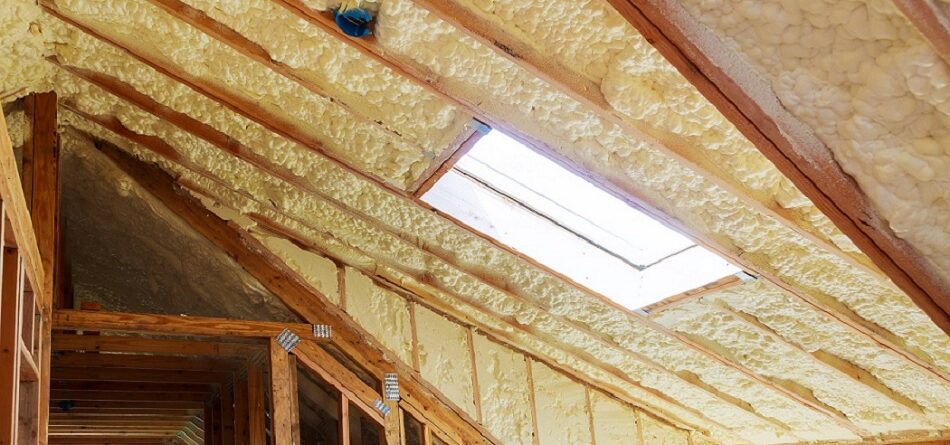
The primary benefit of blown-in attic insulation for Toledo homeowners is stopping the heat loss that drives three connected problems: high heating bills from November through March, ice dam formation at the eave every winter, and accelerated shingle aging from the warm roof deck that melts and refreezes snow repeatedly. Ohio’s Climate Zone 5 recommendation for attic insulation is R-49 to R-60. Most Toledo homes built before 1990 run R-11 to R-30. The gap between what is installed and what is needed is why Toledo homeowners deal with the same problems every winter regardless of how many times the roof gets patched.
Pro Craft installs blown-in attic insulation throughout Toledo and Lucas County. Most Toledo installs complete in a single visit. Call 419.475.9600 for a free assessment.
Your Toledo Heating Bill Is Higher Than It Should Be
If your Toledo home costs more to heat than the square footage warrants, the attic is almost certainly where the money is going. Heat rises. On a home without adequate attic insulation, that heat passes straight through the attic floor and out through the roof deck. Your furnace runs longer to compensate. The heat leaves anyway. You pay for energy that never stays in your living space.
Toledo homeowners who bring attic insulation from R-19 to R-49 typically see heating cost reductions of 15 to 25 percent in the first full heating season. On a Toledo home spending $200 per month on natural gas through a five-month heating season, that is $150 to $250 in annual savings from a single insulation upgrade. The upgrade typically pays for itself within three to five years and continues saving money for the full lifespan of the insulation, which runs 20 to 30 years for blown-in fiberglass and cellulose products.
Ice Dams on Your Toledo Roof Start in the Attic
Toledo homeowners who have had the same ceiling stain patched multiple times without solving the problem are almost always dealing with ice dam water intrusion, not a roofing failure. The sequence is specific and predictable. Heat escaping through an underinsulated attic floor warms the roof deck above it. Snow melts on the warm roof deck and runs down toward the cold eave where it refreezes. The ice ridge that builds at the eave blocks further drainage and forces water under the first shingle course. By February, that water is moving through the decking and into the insulation below the ceiling.
Every shingle repair done without addressing the attic insulation treats the symptom. The same ice dam forms the following winter and produces the same water intrusion at the eave. Pro Craft pairs blown-in attic insulation with every roof replacement we complete in Toledo when the attic is below Zone 5 standards. Bringing the insulation to R-49 to R-60 stops the heat loss that drives the melt cycle. Stopping the melt cycle stops the ice dam. Stopping the ice dam stops the ceiling stain.
Your Roof Shingles Age Faster on an Underinsulated Toledo Home
A warm roof deck caused by heat loss through an underinsulated attic does not just create ice dams. It ages asphalt shingles faster from the underside throughout the year. In summer, an overheated attic drives deck temperatures above 140 degrees on direct sun exposure days in Toledo. Shingle adhesive softens at sustained temperatures above 125 degrees. Over multiple Toledo summers, the adhesive bond between shingle tabs weakens and shingles begin to lift at the edges and crack along the tab lines.
Owens Corning and most shingle manufacturers include adequate attic ventilation and insulation as warranty conditions for exactly this reason. A roof installed over an attic that is running 20 degrees hotter than it should be due to inadequate insulation has a shortened product lifespan before the warranty condition is met. Pro Craft assesses attic insulation condition on every roofing inspection in Toledo and documents the R-value so the homeowner has a baseline record of the attic condition at the time of the roof installation.
What Blown-In Insulation Does That Batt Insulation Cannot
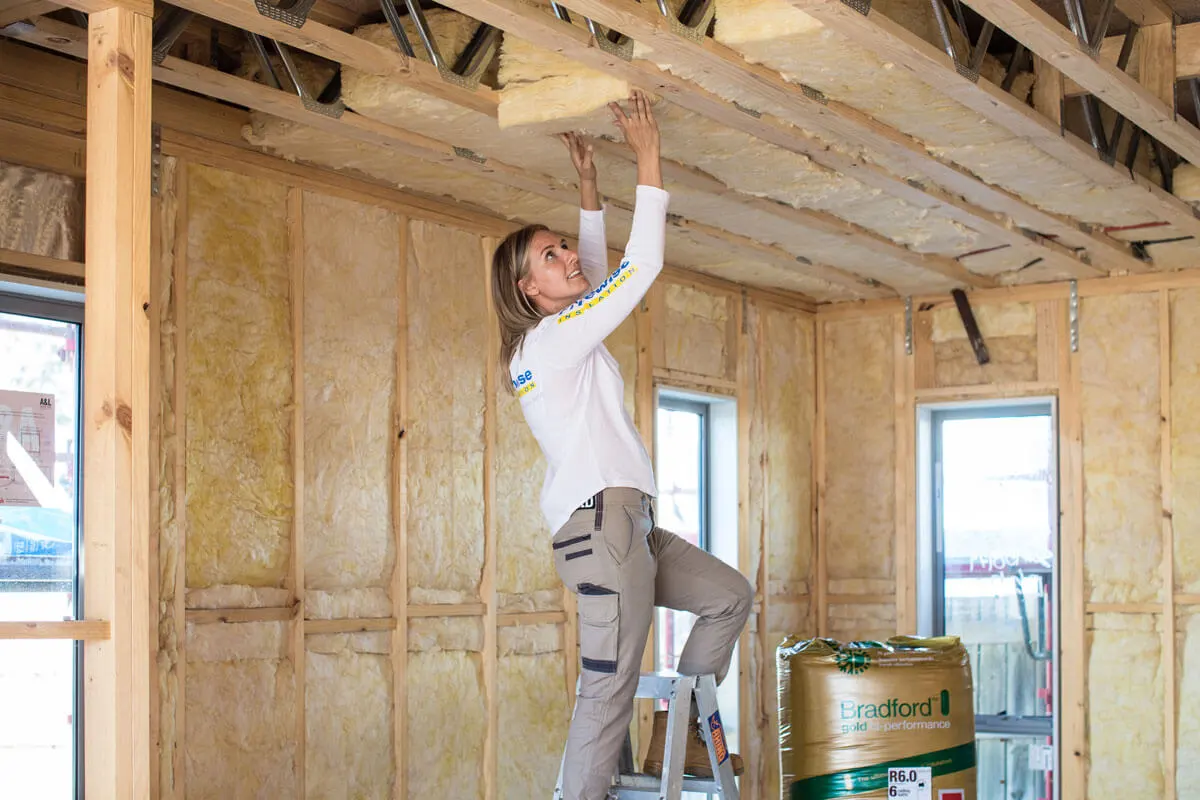
Most Toledo homes built before 1990 have fiberglass batt insulation laid between the attic floor joists. Batt insulation installed correctly provides R-3.2 per inch of thickness. The problem in older Toledo homes is that the batts have settled, shifted, or were installed with gaps at the edges and around attic floor penetrations like light fixtures, plumbing chases, and attic hatch frames. Those gaps are where air moves freely between the living space and the attic regardless of how thick the batts are in the open areas.
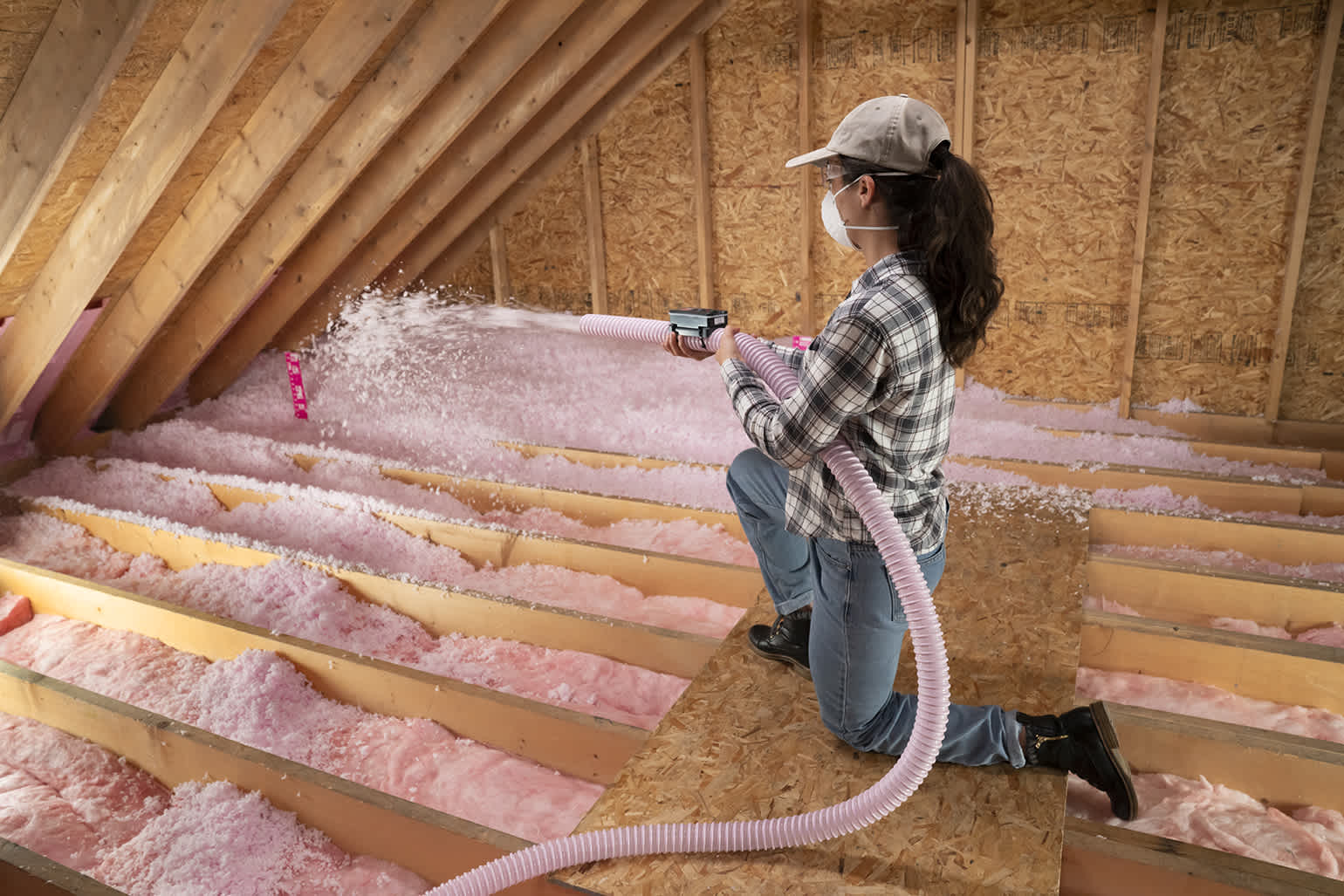
Blown-in insulation fills every gap, void, and irregularity in the attic floor including the spaces around penetrations that batt insulation cannot reach. Blown-in fiberglass and cellulose conform to the attic floor geometry without leaving the air pathways that batt insulation allows at every penetration and structural framing member. Pro Craft installs blown-in insulation after air sealing the critical penetration points in the attic floor first. Blowing insulation over unsealed penetrations improves the R-value number without fixing the air infiltration that is responsible for the majority of heat loss in most Toledo homes.
Ohio Energy Assistance Programs for Toledo Homeowners
Toledo homeowners who cannot afford attic insulation upgrades have several assistance options worth checking before paying full price.
Ohio Development Services Agency Weatherization Assistance Program provides free weatherization services including blown-in attic insulation, air sealing, and related improvements to eligible low-income Ohio households. Income eligibility is based on household size relative to federal poverty guidelines. Applications go through the Lucas County Community Action Agency for Toledo homeowners.
Ohio HEAP (Home Energy Assistance Program) provides heating assistance and in some cases funds weatherization improvements including insulation for eligible Ohio households.
Federal 25C Energy Efficiency Tax Credit allows Toledo homeowners to claim a tax credit of up to 30 percent of the cost of qualified insulation improvements, up to $1,200 per year. Blown-in attic insulation that brings a home to or above the recommended R-value for Ohio Climate Zone 5 qualifies. The credit applies to the insulation material cost, not the installation labor.
Pro Craft provides free written insulation assessments for Toledo homeowners pursuing any assistance program application. The assessment documents the existing insulation depth and R-value, which is the documentation most program applications require. Call 419.475.9600.
What Blown-In Attic Insulation Costs in Toledo, Ohio
Most Toledo homeowners pay between $1.25 and $2.50 per square foot for blown-in attic insulation depending on the existing insulation depth, the target R-value, the access configuration, and whether air sealing is included in the scope.
For a standard 1,200 square foot Toledo ranch with an accessible attic hatch and existing R-19 insulation being brought to R-49, the total installed cost runs $1,500 to $3,000 in most cases. The upgrade typically completes in a single visit. Pro Craft provides a free written estimate before any commitment.
The 25C federal tax credit reduces the net cost by up to 30 percent on the material portion of the installation. A Toledo homeowner spending $2,500 on a qualified blown-in insulation upgrade may receive a $750 federal tax credit on their return, bringing the effective cost to $1,750 before energy savings begin.
Request a free blown-in insulation estimate or call 419.475.9600.
How Pro Craft Installs Blown-In Insulation in Toledo
Pro Craft installs blown-in attic insulation throughout Toledo and Lucas County alongside roofing, gutter, and exterior work or as a standalone project. Every installation starts with a free attic assessment that measures existing insulation depth and R-value, identifies air sealing needs at penetration points, confirms attic access dimensions, and documents the ventilation configuration.
Air sealing at ceiling light fixtures, plumbing chases, attic hatch frames, and top plates comes before any insulation is blown in. Blown-in insulation over unsealed penetrations adds R-value on paper without fixing the air movement that drives most heat loss. After air sealing, blown-in fiberglass or cellulose is installed to the depth required to reach the Ohio Climate Zone 5 target of R-49 to R-60. We confirm the depth at multiple measurement points before the crew leaves the property.
Pro Craft pairs insulation work with roof replacement when both are needed as part of the same project. Handling both in one mobilization costs less in total labor and ensures the roofing and insulation systems are coordinated correctly.
Frequently Asked Questions
Does blown-in insulation actually stop ice dams on Toledo roofs?
Yes, when combined with proper attic ventilation. Ice dams form because heat escaping through an underinsulated attic warms the roof deck and melts snow that refreezes at the cold eave. Bringing attic insulation to Ohio Climate Zone 5 standards of R-49 to R-60 stops the heat loss that drives the melt cycle. Adequate soffit and ridge ventilation then keeps the roof deck temperature uniform so snow does not melt unevenly between the warm ridge area and the cold eave. Pro Craft assesses both insulation and ventilation on every Toledo insulation inspection.
How much does blown-in attic insulation cost in Toledo, Ohio?
Most Toledo homeowners pay $1.25 to $2.50 per square foot for blown-in attic insulation. A standard 1,200 square foot Toledo ranch being brought from R-19 to R-49 runs $1,500 to $3,000 installed. The federal 25C energy efficiency tax credit covers up to 30 percent of qualified insulation material costs up to $1,200 per year, reducing the effective out-of-pocket cost. Pro Craft provides free written estimates. Call 419.475.9600.
What R-value does a Toledo, Ohio attic need?
Ohio Climate Zone 5 requires R-49 to R-60 for attic floors per Department of Energy recommendations. Most Toledo homes built before 1990 have R-11 to R-30. The gap between what is installed and what is needed is the primary driver of high heating costs, ice dam formation, and premature shingle aging on Toledo homes. Pro Craft measures existing R-value during every free insulation assessment and documents the findings before any work is quoted.
Is there financial assistance for insulation in Toledo, Ohio?
Yes. The Ohio Development Services Agency Weatherization Assistance Program provides free blown-in attic insulation and air sealing to eligible low-income Toledo households through the Lucas County Community Action Agency. The federal 25C tax credit covers up to 30 percent of qualified insulation material costs. HEAP provides heating assistance that in some cases funds weatherization work. Pro Craft provides free written assessments that document insulation conditions for any program application.
Can Pro Craft install insulation and replace the roof at the same time in Toledo?
Yes. Pro Craft handles blown-in attic insulation alongside roof replacement as part of the same project scope. Handling both in one mobilization costs less in total labor than two separate visits and ensures the roofing and insulation systems are installed in the correct sequence with coordinated ventilation. Call 419.475.9600 or request a free assessment online.
How long does blown-in insulation last in a Toledo attic?
Blown-in fiberglass insulation lasts 20 to 30 years in Toledo attics without significant settling or R-value loss when installed correctly. Blown-in cellulose settles slightly over time and may need topping up after 15 to 20 years to maintain the target R-value. Both products handle Toledo’s attic temperature range and humidity conditions without the moisture absorption problems that older batt insulation develops when ice dam water intrusion soaks the material from above.









Leave a Reply